
Willow Street, PA sits along the Route 222 corridor just south of Lancaster, where established neighborhoods, newer subdivisions, and small rural parcels all meet. Many properties here have mature oak, maple, and tulip poplar trees planted close to homes, fences, and utility lines, which can create access problems and safety concerns. The tree care professionals in Lancaster serving this area know how to evaluate tree structure, manage overhanging limbs near rooflines, and clear storm damage so properties remain safe and reachable during Lancaster County’s humid, storm-prone seasons.
That’s one reason so many Willow Street, PA property owners rely on Arbor Tree Care for ongoing maintenance.

Prefer to Talk to An Expert?
(717) 722-0717
Why Willow Street Property Owners Trust Local Professionals to Get It Right
Because they work in this area every day, local professionals understand the dense canopy, changing lot sizes, and nearby roadways and utility corridors that shape tree care in Willow Street. That local familiarity helps every job move forward with the right equipment and methods for tight access, sensitive root zones, and the storm damage this part of Lancaster sees again and again.
From expert stump removal solutions along Willow Valley Road, where old stumps crowd driveways and walkways, to professional tree disease treatments near the Willow Street Community Park, where fungal canker and oak wilt have affected long-standing shade trees, each project is completed with careful planning and dependable attention to detail.
If you care about the condition and safety of your property, local contractors can help keep your trees healthy, your yard usable, and your structures protected in Willow Street.
Our Tree-Service Services
in Lancaster, PA, Include
A Service Area Built Around the Way Willow Street Properties Are Used
This neighborhood has a mix of residential density and access conditions, so tree care has to be tailored rather than generic. Local professionals adjust their approach for each lot, whether it’s a compact suburban yard or a larger property along the rural edge.
That applies to everything from a newer home in the Willow Glen area to a mid-century ranch on Penn Grant Road or a farmette near the Pequea Creek corridor.
From tree trimming and tree pruning to stump removal and emergency tree services, each service is shaped to fit the property and the surrounding landscape.
Willow Street’s Mature Tree Legacy, Shaped by Local Growth
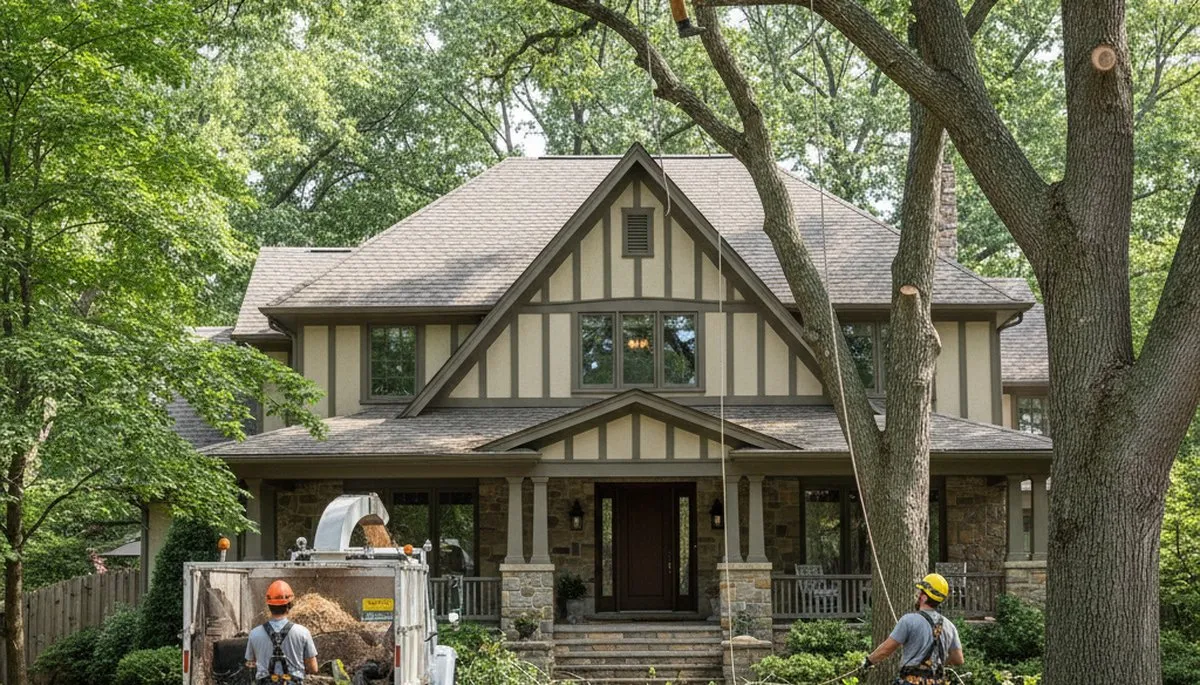
Willow Street grew steadily through the mid-twentieth century as Lancaster’s southern suburbs expanded, with many lots planned around hedgerows, woodlots, and ornamental trees that were already well established. That history still shows up today in older root systems, structural weaknesses, and storm-sensitive canopies that influence how tree work needs to be handled.
Aging Canopy and Structural Weakness
Many Willow Street properties, especially in older areas along Penn Grant Road and Willow Valley Road, include mature oaks and maples that developed co-dominant stems and included bark over years of unmanaged growth. Those conditions can raise the risk of crown failure during storms and weaken overall structure, creating hazards above roofs, driveways, and neighboring fences.
Local professionals address these issues with targeted crown reduction, subordinate pruning, and cabling when appropriate, helping reduce the chance of long-term structural failure and access problems.
Fungal Disease and Moisture-Related Decline
Low-lying areas near the Pequea Creek drainage can increase shade and canopy density, but they also tend to hold moisture around bark and root systems. Fungal issues such as anthracnose and verticillium wilt may lead to dieback and declining crowns in vulnerable trees like dogwood and silver maple.
Professionals respond with targeted tree disease treatments, selective crown thinning, and soil drainage assessment based on the tree’s condition and the site’s existing moisture patterns.
Root Intrusion and Hardscape Conflict
Over time, unchecked root growth has caused many Willow Street sidewalks, driveways, and retaining walls to shift or break down. Shallow-rooted trees such as Norway maple and silver maple are often part of the problem in older residential blocks.
Trusted pros help manage these conflicts with root collar excavation, selective root pruning, and root protection planning that supports both tree health and hardscape longevity.
Storm Exposure and Wind Damage
Late-summer convective storms and nor’easter systems in Lancaster County can bring strong winds and saturated soil, which may lead to sudden limb breakage or full-tree failure where roots are shallow or already compromised.
Experienced crews use aerial lifts, ground rigging, and careful debris clearing to restore safe access and manage post-storm conditions efficiently across Willow Street properties.
Narrow Lot Access and Equipment Constraints
Side yards are often tight and rear lots are frequently fenced, which can make large equipment setup and safe rigging more difficult without causing damage.
Local professionals rely on compact track-mounted equipment and hand-climbing methods, with an emphasis on protecting fences, structures, and landscaping while removing debris cleanly and efficiently.
For help keeping your Willow Street property maintained throughout the year, request a free quote from a local professional in Willow Street by calling (717) 722-0717.
Every property deserves safe access. Let Arbor Tree Care help you keep it that way!

Get your Tree Service project moving today!

Tree Services in Willow Street, PA: Support for Every Season
From routine pruning to urgent storm cleanup, local professionals help keep properties structurally sound, well maintained, and protected through each season:
Routine Tree Trimming and Pruning in Willow Street, PA
- Crown cleaning for mature oaks along Penn Grant Road — removing deadwood and crossing branches that collect in established canopies near homes and utility lines.
- Seasonal pruning for ornamental trees in the Willow Glen subdivision — timing cuts to reduce disease entry points and encourage healthy new growth on flowering cherries and crabapples common in newer developments.
- Canopy elevation near driveways and walkways — lifting lower limbs on maples and lindens to preserve safe clearance for vehicles and pedestrians across the neighborhood.
- Structural pruning for younger trees near Willow Valley Road — correcting growth early before co-dominance and included bark turn into long-term hazards, especially for trees planted within the last decade. Residents near tree trimming services in Millersville, PA see similar canopy management needs just a short drive north.
- Crown reduction for overgrown shade trees near fenced rear lots — reducing spread to ease shade conflicts and limit stress on trees growing in confined spaces.
Schedule seasonal trimming before storm season to lower the risk of limb failure and keep your canopy easier to manage year-round.
Tree Removal Services in Willow Street, PA
- Hazardous tree removal near rooflines and utility lines — carefully dismantling storm-weakened or structurally compromised trees in sections when tight property lines require precise rigging and sectional removal.
- Dead tree removal from rear yard lots — clearing standing dead oaks, maples, and ash trees that could fall onto fences, sheds, or nearby structures throughout Willow Street.
- Storm-damaged tree removal following severe weather events — responding to split trunks, uprooted root balls, and hanging limbs after Lancaster County summer storms and winter ice.
- Ash tree removal for emerald ash borer-affected specimens — managing ongoing ash decline on older Willow Street lots, especially near the Pequea Creek corridor. Property owners familiar with tree removal contractors in Landisville, PA know how widespread ash decline has become across southern Lancaster County.
- Whole-tree removal for construction and landscaping projects — clearing trees from lots being prepared for additions, hardscape work, or landscape redesign in newer Willow Street subdivisions.
Proper removal helps protect structures, reduce liability, and create room for healthier replacement plantings that fit the property.
Stump Grinding and Cleanup in Willow Street, PA
- Stump grinding for removed ash and maple trees — grinding stumps flush with or below grade to remove trip hazards and make lawn restoration easier on residential lots.
- Root flare cleanup after stump grinding — addressing lateral roots that extend beyond the stump area, especially on Norway maple and silver maple stumps common in older Willow Street neighborhoods.
- Stump removal near driveways and walkways — clearing stumps that interfere with hardscape surfaces or limit vehicle and foot traffic on smaller suburban lots.
- Post-removal debris hauling and site cleanup — removing chips, root material, and surface debris after grinding so the property is ready for seeding or new landscaping.
- Grinding for multiple stumps on rural-edge parcels — handling groups of stumps left behind after lot clearing or storm damage on larger properties near the Pequea Creek drainage area.
Prompt stump removal helps reduce fungal spread to nearby healthy trees, removes pest habitat, and returns usable yard space to Willow Street property owners.
Emergency Tree Services in Willow Street, PA
- Fallen tree removal from structures and vehicles — responding to trees and large limbs that have landed on roofs, fences, or parked vehicles after severe storms in the neighborhood.
- Hanging limb removal after wind events — safely removing partially attached limbs that remain suspended in the canopy and pose an immediate danger to people and property below.
- Post-storm debris clearing from driveways and access roads — restoring safe vehicle access to homes and shared driveways blocked by wood and brush after storms.
- Emergency response for uprooted trees near utility lines — coordinating safe removal of root-ball-up failures near power infrastructure on properties throughout the Willow Street area.
- Rapid assessment and triage after ice storm damage — checking crown damage, identifying trees that can be saved, and prioritizing the most hazardous removals to protect residents and structures.
Quick emergency response can limit secondary damage, reopen safe access, and help property owners recover after Lancaster County’s most disruptive storms.