
Conestoga, PA lies along the Susquehanna River, where rolling ground, historic farm properties, and established woodlots shape the local landscape. Homes and acreage in the area can include riverfront parcels with deep-rooted hardwoods, sloped lots with limited equipment access, and trees stressed by humid conditions that encourage disease. The network of tree care professionals in Lancaster understands how to evaluate risk, handle steep-slope removals, and protect mature canopy so properties stay safe and manageable through Lancaster County’s changing seasons.
That is why so many property owners in Conestoga, PA, turn to Arbor Tree Care for year-round maintenance and dependable service.

Prefer to Talk to An Expert?
(717) 722-0717
Why Conestoga Property Owners Choose Local Expertise
Because these crews work in the area every day, they understand the humidity, dense hardwood growth, and limited access points that are common in Conestoga. Each job is matched to the site conditions, using methods and equipment suited for slope travel, fungus management, and storm debris cleanup throughout this part of Lancaster County.
From professional tree pruning solutions on the steep roads near River Road to hazardous limb removal near the old stone farmsteads off Conestoga Road, every project is approached with care, control, and an eye toward long-term property safety.
If you care about the condition of your land, local contractors can help keep your canopy shaped, your access open, and your property safer in Conestoga.
Our Tree-Service Services
in Lancaster, PA, Include
Tree Services Shaped for Your Conestoga Neighborhood
The uneven terrain and narrow access lanes in this area call for tree care that is adapted to the property, not forced into a standard approach. Local professionals bring customized solutions to sloped yards, riverfront acreage, and wooded edges across the community.
Whether your property is a riverfront farmstead in the Susquehanna bottomlands, a hillside home near Pequea Creek, or a rural woodlot connected to the Conestoga Township road system, the work is planned around the site conditions.
From reliable stump removal services and tree trimming to woodlot management and emergency storm cleanup, every service is tailored to the character of the property and the needs of the trees.
Conestoga's Canopy Tells the Story of the Area
Conestoga is one of Lancaster County’s oldest settled communities, and its landscape reflects generations of farming, riverside development, and mature timber growth along the Susquehanna corridor. That history shows up today in aging oak and sycamore stands, overgrown fence-line trees, and older woodlot boundaries that influence how tree work must be handled now.
Aging Hardwood Canopy and Structural Decline
Many Conestoga properties, especially those near the river and on older farmstead lots along Conestoga Road and Baumgardner Road, include mature oaks, maples, and sycamores with co-dominant stems and included bark from years of uncontrolled growth. Over time, that can increase the chance of limb failure and create conflicts with driveways, structures, and other access points.
Local professionals address these issues with targeted crown reduction, cabling for co-dominant stems, and selective limb removal to reduce future risk while preserving as much of the existing canopy as possible.
Riverside Humidity and Fungal Disease Pressure
The nearby Susquehanna River and Pequea Creek create a setting that is beautiful but often damp, and that moisture can encourage fungal diseases to spread more quickly. Anthracnose, oak wilt, and sooty mold may all contribute to dieback or root stress when they are left untreated over several growing seasons.
Professionals respond with tree disease treatment solutions, seasonal fungicide treatments, and canopy thinning designed to improve airflow and match the moisture conditions and species mix found in Conestoga.
Steep Slope Access and Equipment Limitations
Natural erosion and riverside terrain have left many properties with grades that make standard bucket truck or chipper access difficult, and sometimes impossible without damaging lawns, driveways, or retaining walls.
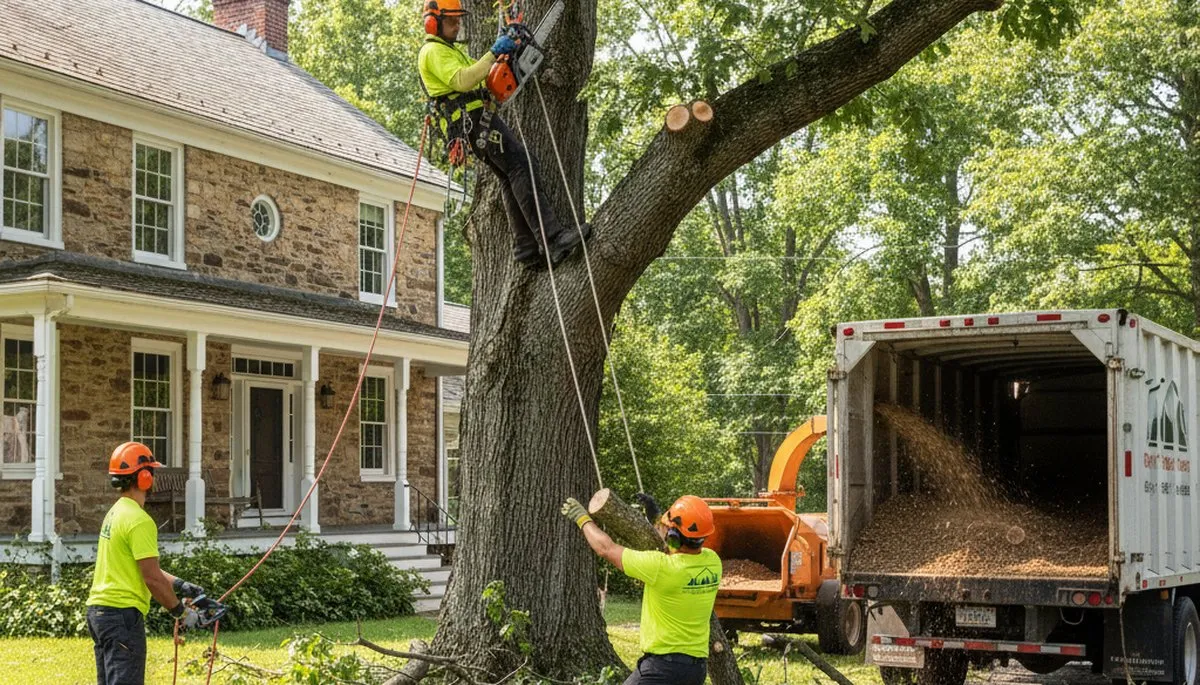
Trusted crews work around those limits with rigging-based removals, compact equipment, and hand-carry debris cleanup to keep the job safe and reduce disturbance on challenging hillside lots.
Storm Damage from Seasonal Weather Patterns
Lancaster County weather can bring strong winds, ice buildup, and heavy wet snow that leave behind broken limbs and even entire trees on Conestoga’s wooded properties.
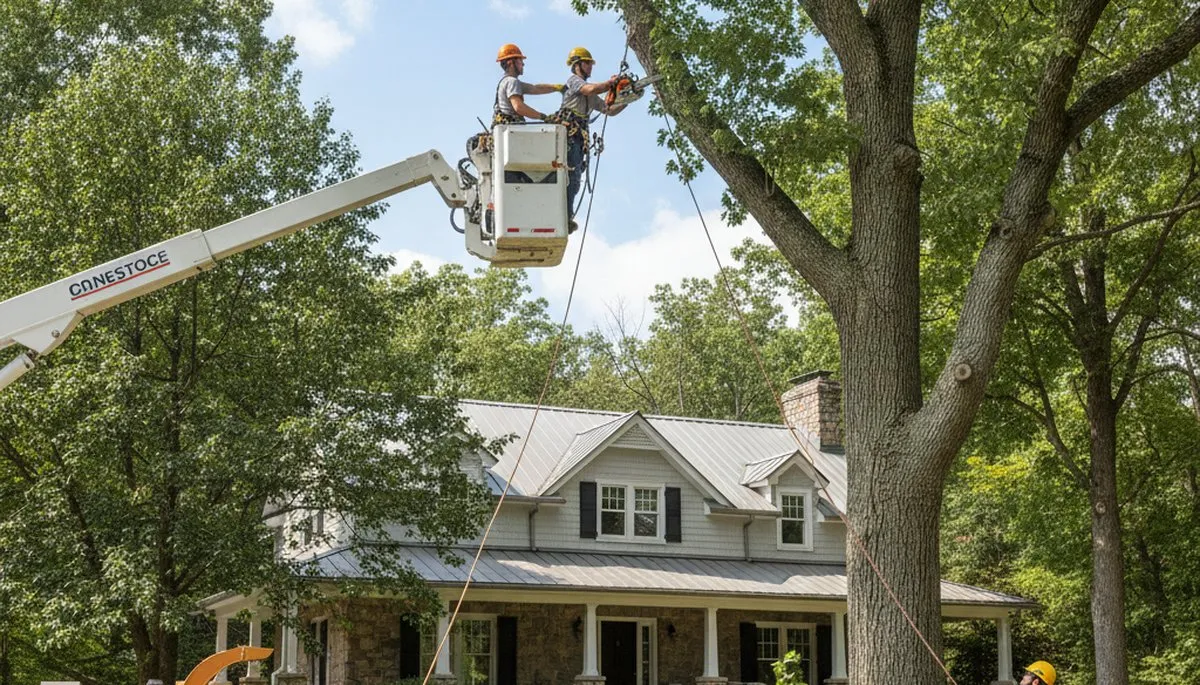
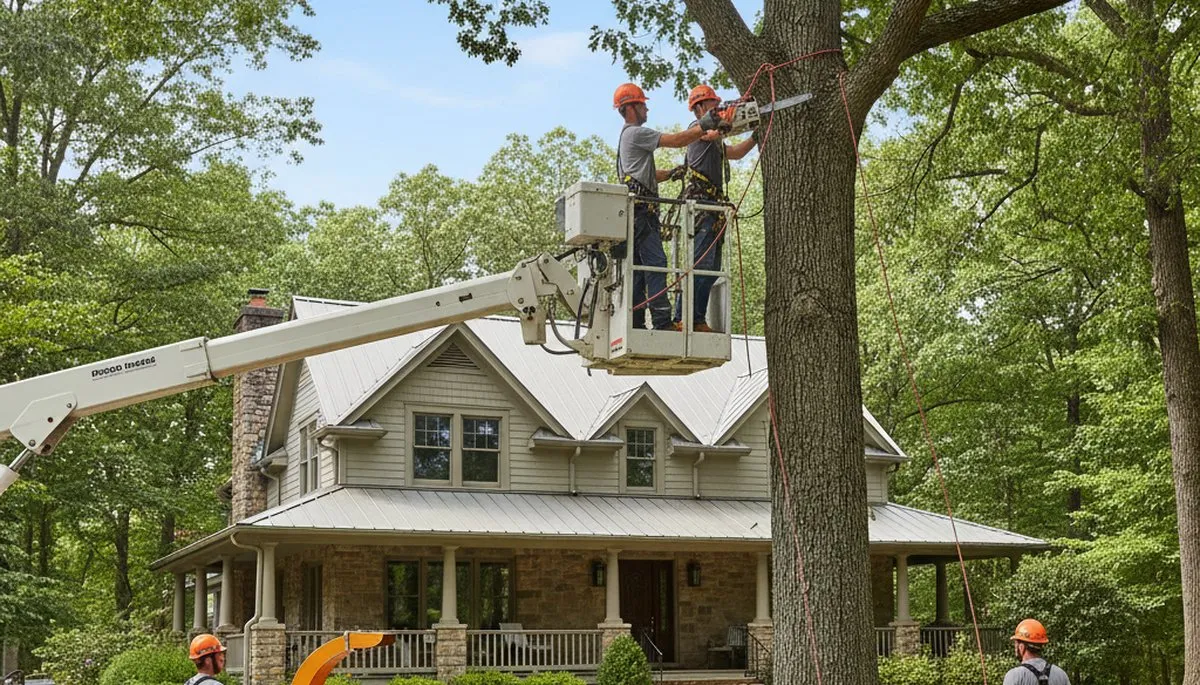
Experienced crews use rapid-response methods with aerial lifts, ground rigging, and coordinated debris removal to restore access and remove hazards, even when storm conditions make roads and properties harder to reach.
Invasive Vine Growth and Canopy Suppression
Virginia creeper, wild grape, and bittersweet are common in Conestoga, and these vines can add weight, hold moisture against bark, and limit the tree’s ability to capture sunlight along fence lines and woodland borders.
Local pros remove vines by hand-cutting, basal bark treatment, and structured cleanup methods that support host tree recovery and help preserve long-term canopy health.
To get ideas for maintaining your Conestoga property throughout the year, request a free quote from a local professional by calling (717) 722-0717.
Every property deserves safe access. Let Arbor Tree Care help protect yours!

Get your Tree Service project moving today!

Tree Services in Conestoga, PA: Support for Every Season
From routine maintenance to emergency response, local professionals help keep Conestoga properties healthy, accessible, and orderly through every season:
Routine Tree Trimming and Pruning in Conestoga, PA
- Canopy elevation along River Road and Baumgardner Road corridors: Raising lower limbs on mature oaks and maples improves visibility, reduces wind load, and keeps growth clear of buildings and travel lanes along Conestoga’s main routes.
- Crown thinning on riverside hardwoods: Reducing dense interior growth on sycamores and silver maples near the Susquehanna bottomlands improves air movement and helps limit fungal pressure in humid conditions.
- Structural pruning of young trees on new residential lots: Early branch training on newly planted trees in developing Conestoga Township areas helps establish stronger structure and lowers the risk of later failure.
- Deadwood removal from aging farmstead trees: Removing dead or dying limbs from legacy oak and walnut trees on historic farm properties along Conestoga Road helps protect buildings, fencing, and livestock areas from unexpected limb drop.
- Seasonal pruning cycles for fruit and ornamental trees: Dormant-season pruning for apple, cherry, and ornamental pear trees on rural homes supports healthier growth, stronger fruiting, and better disease resistance. Nearby communities such as tree trimming services in Pequea, PA deal with similar pruning needs across Lancaster County’s rural residential landscape.
Schedule trimming before winter weather adds weight to Conestoga’s mature canopy and raises the risk of broken limbs across your property.
Tree Removal Services in Conestoga, PA
- Hazardous tree removal on steep hillside lots: Removing unstable trees on sloped Conestoga properties takes rigging and controlled lowering methods that protect homes, retaining walls, and lawns below.
- Storm-damaged tree removal after high-wind events: Clearing split trunks, uprooted root balls, and hanging limbs left by seasonal storms restores safe access to driveways, outbuildings, and primary structures.
- Dead tree removal near property boundaries: Taking down standing dead oaks, ashes, and elms along fence lines and woodland edges lowers liability and helps reduce pest spread to neighboring healthy trees.
- Whole-tree removal near riverfront structures: Removing large sycamores and cottonwoods close to riverfront homes, docks, and access paths along the Susquehanna requires careful directional felling and debris handling.
- Ash tree removal due to Emerald Ash Borer decline: Removing ash trees weakened by EAB before they fail helps protect Conestoga properties from sudden collapse and limits the spread of infestation to nearby ash populations.
Removing hazardous trees before the next storm season helps protect structures, reduce liability, and create room for healthier plantings across Conestoga lots.
Stump Grinding and Cleanup in Conestoga, PA
- Stump grinding on sloped residential lots: Clearing stumps on hillside Conestoga properties with compact grinder equipment helps remove trip hazards, limit regrowth, and prepare the area for replanting or lawn repair without disturbing the grade.
- Root flare grinding near driveways and walkways: Removing raised roots and stump remnants that have damaged pavement or cracked walks on Conestoga Township properties restores a flatter, safer surface.
- Multi-stump clearing on former farmstead lots: Grinding clusters of old orchard and fence-line stumps on rural parcels opens space for landscaping, pasture restoration, or equipment access.
- Post-removal site cleanup and debris hauling: Removing chips, bark, and root fragments after stump grinding leaves the area ready for topsoil, seed, or mulch without extra cleanup work.
- Stump treatment to prevent regrowth on invasive species: Treating stumps from tree of heaven, mulberry, or black locust helps stop aggressive resprouting and reduces the need for repeat removal.
Prompt stump grinding after tree removal helps prevent pest activity, stops regrowth, and keeps Conestoga properties looking cared for through the growing season. Communities like year-round tree care in Washington Boro, PA also depend on steady stump management to maintain clean, accessible riverside properties along the Susquehanna corridor.
Emergency Tree Services in Conestoga, PA
- Fallen tree removal from driveways and access roads: Rapid clearing of storm-blown trees blocking primary access on Conestoga properties restores vehicle and emergency access without unnecessary delay after wind or ice events.
- Hanging limb removal after storm damage: Removing broken limbs left suspended in the canopy — often called widow makers — eliminates immediate overhead danger to people, structures, and equipment below.
- Storm damage assessment and priority triage: Reviewing multiple damaged trees after a major storm helps identify the highest-risk issues first and organize the work so safety is restored efficiently.
- Emergency response for trees on structures: Removing trees or large limbs that have landed on roofs, fences, outbuildings, or vehicles requires careful rigging and controlled cutting to avoid making the damage worse.
- After-hours and weekend emergency dispatch: Because storms do not wait for business hours, local crews offering fast response help Conestoga property owners avoid being stuck with dangerous conditions overnight or into the next day.
Fast emergency response after Lancaster County storms helps keep Conestoga properties safe, accessible, and better protected from additional damage caused by waiting too long to remove hazards.